Benefits of Fiberglass Pools
Fiberglass pools offer a variety of advantages that make them an appealing choice for homeowners. Their smooth surface is less prone to algae growth, which means less maintenance and fewer chemicals needed to keep the pool clean.
In addition to lower maintenance costs, fiberglass pools are known for their durability and longevity. Unlike concrete pools, they are less likely to crack or chip, providing a long-lasting investment for your backyard oasis. Furthermore, their installation process is typically quicker, allowing homeowners to enjoy their new pool sooner.
Choosing the Right Pool Design
Selecting the perfect pool design is crucial for enhancing your outdoor space. Factors such as the size of your yard, the intended use of the pool, and your personal style should all influence your decision.
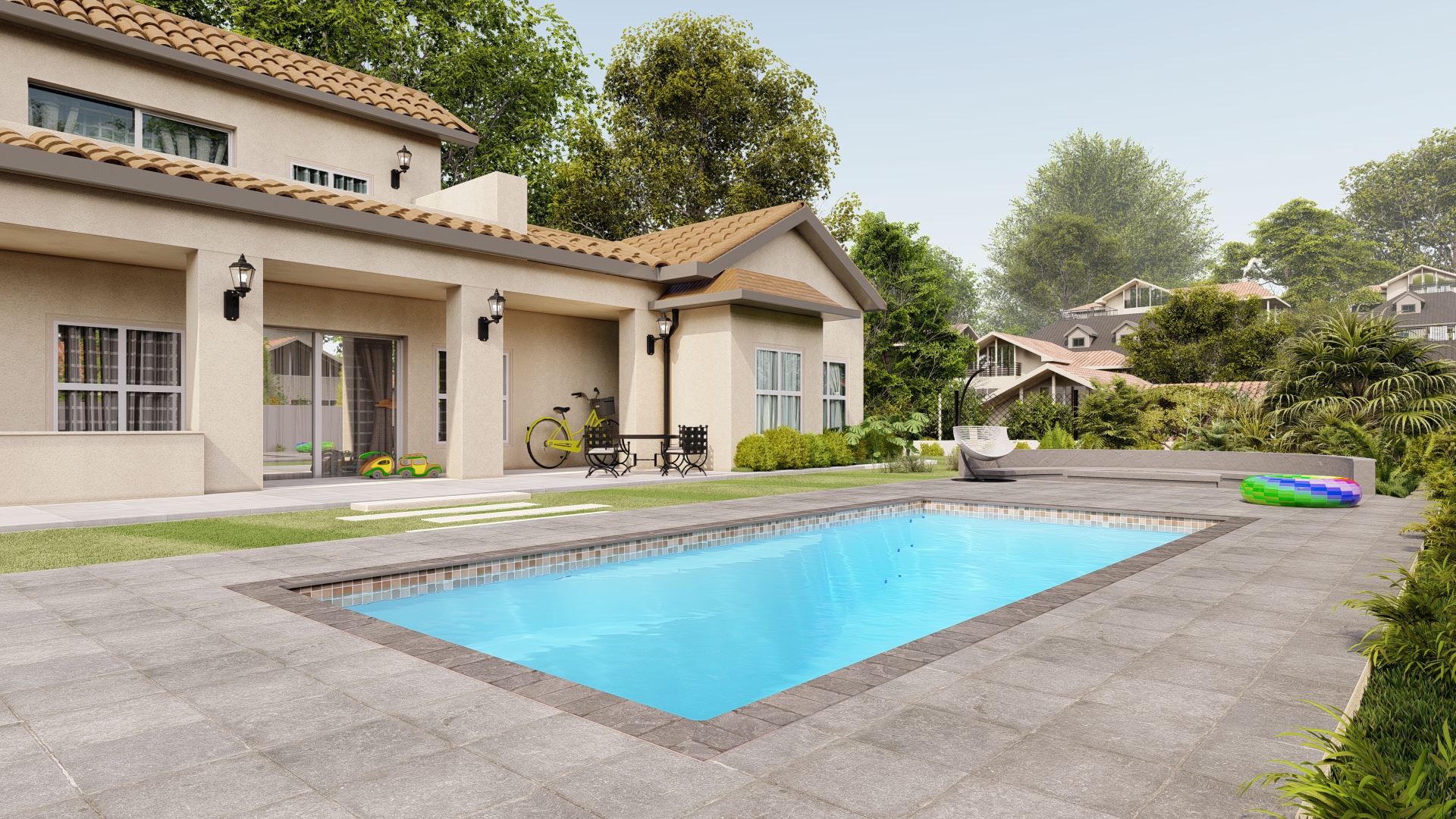
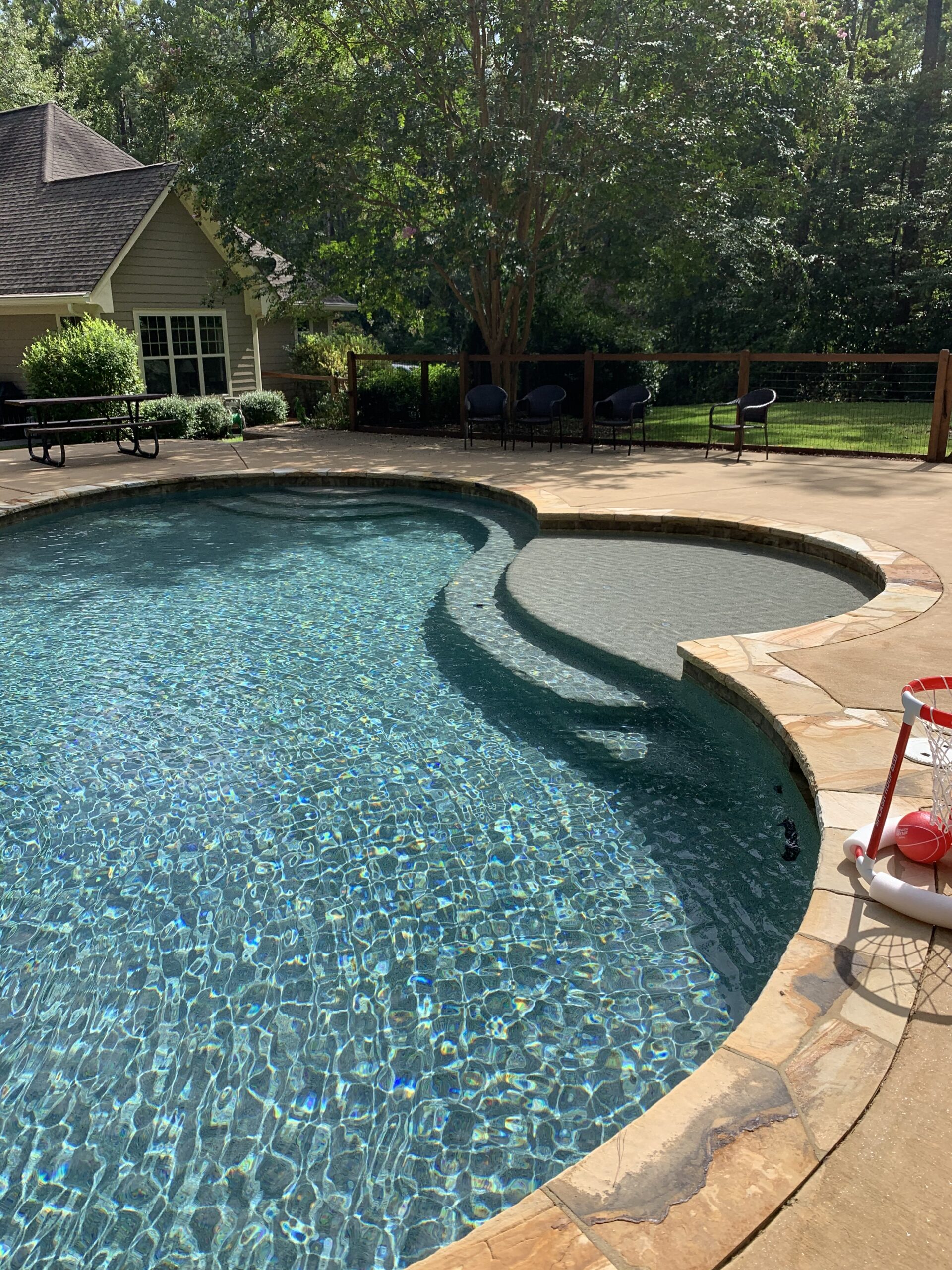
For instance, if you have a smaller yard, a freeform design may create a more natural look, while geometric shapes can add a modern touch to larger spaces. Additionally, considering features like waterfalls or integrated spas can elevate the aesthetic and functionality of your pool.
Common Pool Installation Questions
Many homeowners have questions regarding the pool installation process, which is essential for ensuring a smooth experience. Common inquiries include the duration of installation, permits required, and how to prepare the site for construction.
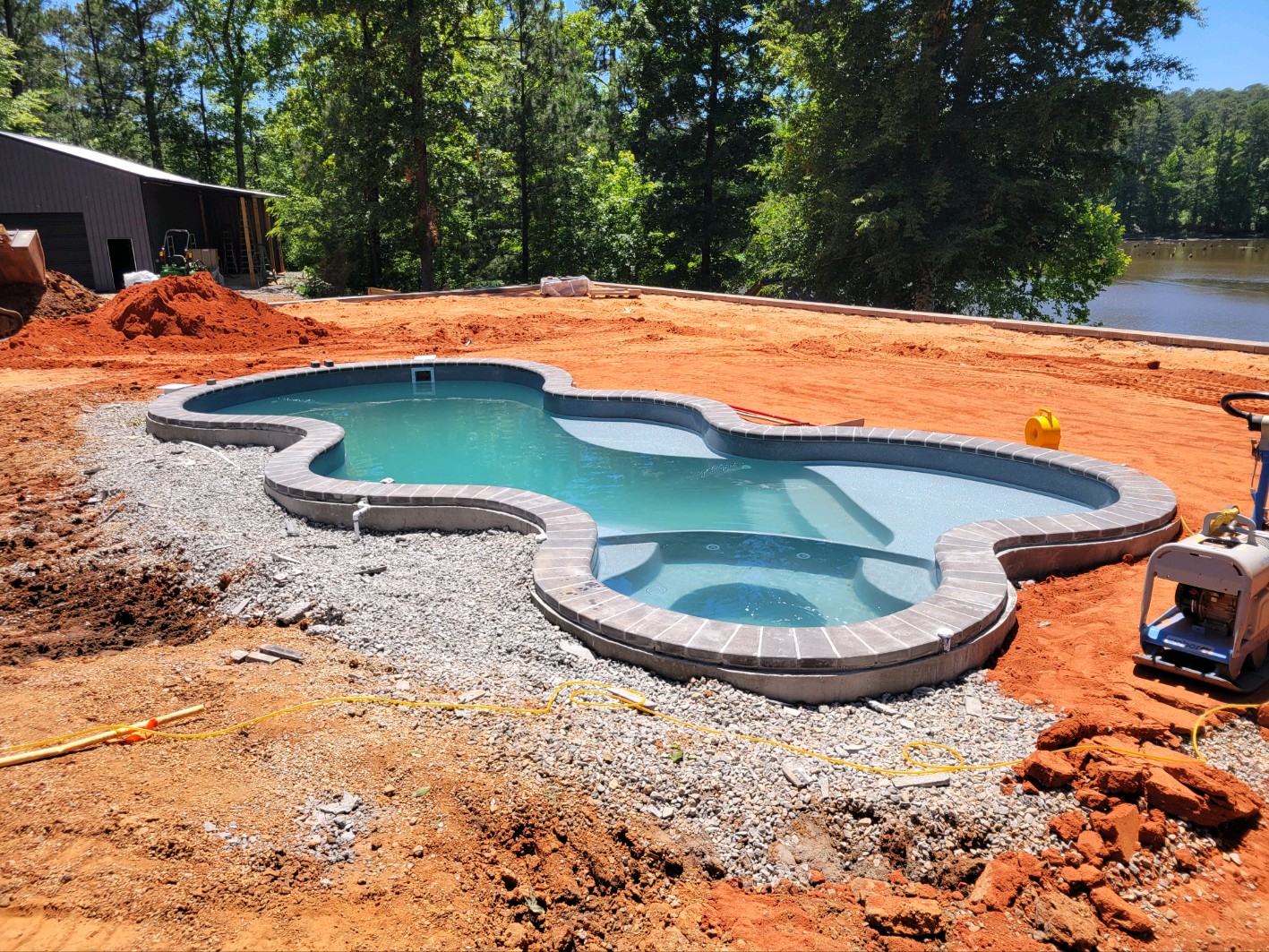
Typically, the installation of a fiberglass pool can take anywhere from a few days to a couple of weeks, depending on the complexity of the project. It’s also important to consult with your local authorities to understand any zoning regulations or permits necessary before starting the installation.
Maintaining Your Fiberglass Pool
Proper maintenance is key to keeping your fiberglass pool in optimal condition. Regular cleaning, water testing, and chemical balancing are essential practices to ensure a safe swimming environment.
In addition, homeowners should routinely check for any signs of wear or damage, such as fading or surface scratches. Addressing these issues promptly can prevent more significant problems down the line and extend the lifespan of your pool.