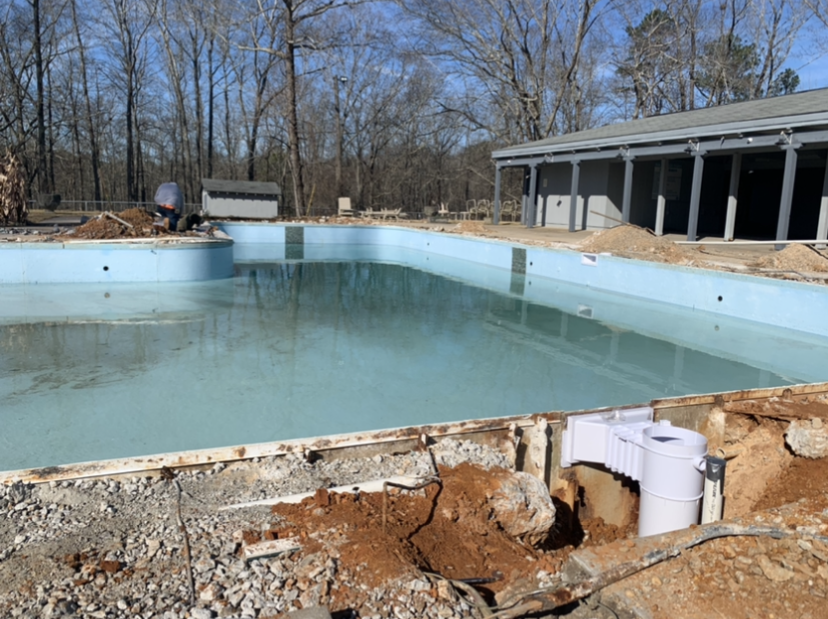
When constructing a swimming pool, the importance of proper soil and drainage solutions can’t be overstated. The right soil type and drainage system not only ensure the stability of the pool but also enhance its longevity and functionality. In Macon, GA, where local soil conditions can vary significantly, understanding these factors is crucial for swimming pool contractors and pool owners alike.
In this article, we’ll explore the best soil types for swimming pool stability, how soil composition affects construction, and the various drainage solutions available to prevent water accumulation and soil erosion.
The stability of a swimming pool largely depends on the soil type in which it’s constructed. In Macon, GA, the predominant soil type is red clay, known for its compactness and water retention. This characteristic can be beneficial and detrimental. While red clay provides a solid foundation, its high water retention can lead to drainage issues if not managed properly. In contrast, sandy soils offer better drainage but may lack sufficient support for heavy structures such as pools. Loamy soils, which are a mix of sand, silt, and clay, provide an ideal balance, offering both stability and drainage. Understanding these soil types is essential to ensuring a durable, long-lasting pool.
Soil composition plays a critical role in the construction and longevity of swimming pools. Red clay, while stable, can pose significant challenges if proper drainage is not in place. High moisture retention can cause soil to expand and contract, leading to potential structural damage over time. Conversely, sandy soils, although they drain well, may require additional support to prevent settling. Proper grading and drainage systems are essential to mitigate these risks.
Local soil conditions in Macon, GA, can significantly impact drainage systems. The presence of clay soils can lead to poor drainage, resulting in water accumulation around the pool area. This can create an environment conducive to erosion and structural instability. It’s crucial to assess the soil type and its drainage capabilities before pool construction. Proper grading and the installation of effective drainage systems can help manage water flow and prevent potential issues
To prevent water accumulation and soil erosion around swimming pools, several drainage system options are available. Each system has its unique benefits and considerations:
Choosing the right drainage system is essential for maintaining a dry and stable environment around the pool.
When selecting a drainage system, it’s important to compare the functionality, cost, and suitability of each option. The following table summarizes these aspects.
Sustainable drainage solutions not only improve backyard stability but also contribute to environmental conservation. Techniques such as permeable paving, bioswales, and rain gardens can effectively manage stormwater while enhancing the landscape’s aesthetic appeal. These solutions allow water to infiltrate the ground, reducing runoff and promoting groundwater recharge. By integrating sustainable practices into pool landscaping, homeowners can create a more resilient and environmentally friendly outdoor space.
Pool owners often face several common drainage problems, including water accumulation, soil erosion, and structural damage. Addressing these issues promptly is crucial to maintaining the integrity of the pool. Here are some common problems and their solutions:
By implementing these solutions, pool owners can prevent long-term damage and ensure their pools remain safe and functional.
Identifying signs of poor drainage is essential for maintaining a healthy pool environment. Common indicators include:
Recognizing these signs early allows pool owners to take corrective action before more significant problems arise.
To effectively prevent water damage and soil erosion, pool owners can implement several strategies:
By following these strategies, homeowners can protect their investments and maintain a safe swimming environment.
Proper pool drainage design has significant environmental benefits. Effective drainage systems can reduce runoff, minimize erosion, and protect local ecosystems. By managing stormwater effectively, homeowners can contribute to the health of their surrounding environment. Sustainable practices (such as using native plants in landscaping) can further enhance these benefits by promoting biodiversity and reducing the need for chemical fertilizers.
Eco-friendly drainage systems offer numerous advantages, including reduced environmental impact and long-term cost savings. These systems often utilize natural materials and processes to manage water flow, minimizing reliance on traditional infrastructure. By choosing eco-friendly options, homeowners can create a more sustainable landscape that benefits both their property and the environment.
Integrating green infrastructure into pool landscaping projects can enhance both functionality and aesthetics. Techniques such as rain gardens and permeable paving not only manage stormwater but also provide attractive landscaping features. These practices promote water infiltration and reduce runoff, contributing to a healthier ecosystem. By incorporating green infrastructure, pool owners can create a beautiful and sustainable outdoor space.
Understanding the importance of proper soil and drainage solutions is essential for ensuring the stability and longevity of swimming pools in Macon, GA. By selecting the right soil type and implementing effective drainage systems, pool owners can prevent common issues such as water accumulation and soil erosion. This knowledge not only enhances the pool’s functionality but also contributes to a more sustainable environment. For expert advice and a range of solutions tailored to your needs, contact our team now.
Address: 8008 Jenkins Rd, Upatoi, GA 31829
Phone: 706-676-0379
Business Hours:
Mon - Fri: 07:00 AM to 05:00 PM
Sat-Sun: Closed
 Site & Marketing By Dream Digital