
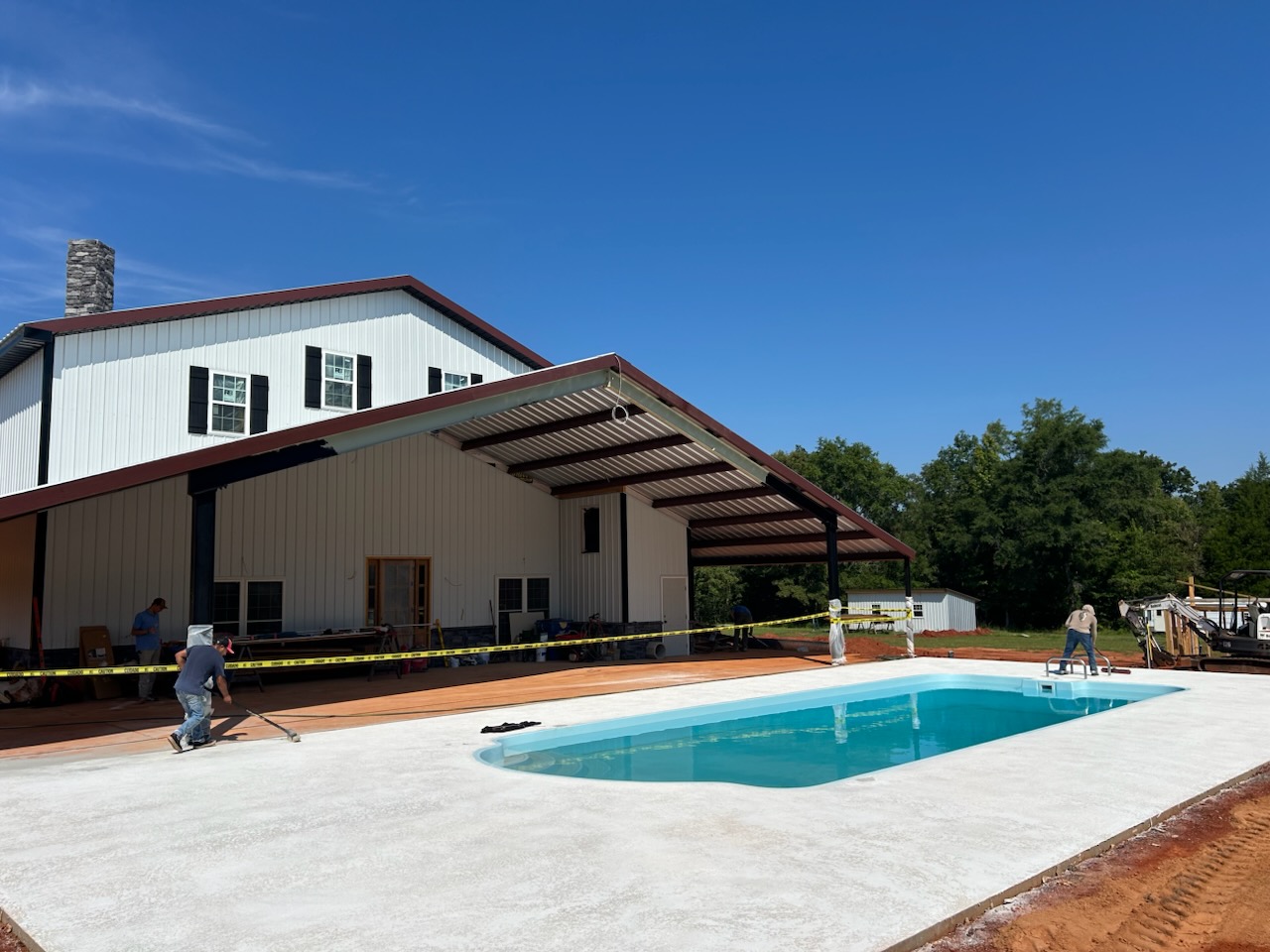
Keeping a pool healthy year-round protects your investment, reduces long-term repair costs, and ensures safe, swim-ready water whenever the season allows. This guide teaches homeowners practical, climate-aware strategies for weekly upkeep, seasonal transitions, water chemistry balancing, winterizing, spring opening, and eco-friendly upgrades that cut costs and conserve water. Many pool owners struggle with fluctuating chemical levels, stubborn algae, and equipment wear that accelerates when seasonal tasks are missed.
An essential seasonal pool maintenance checklist defines recurring tasks by season, explains why timing matters in temperate climate, and highlights the primary benefit: predictable water quality with minimized equipment strain. Seasonal timing affects algae growth, heater use, and freeze risk, so aligning tasks to spring, summer, fall, and winter prevents common failures and reduces chemical overuse. This section maps weekly routines and seasonal milestones into practical weekly actions that homeowners can adopt immediately. Follow these schedules to maintain circulation, reduce stain and algae formation, and avoid emergency repairs in shoulder seasons, which leads naturally into the weekly cleaning steps you should perform.
Regular weekly cleaning keeps water clear and prevents biofilm buildup through mechanical removal, while monthly and seasonal checks address equipment wear and major chemical adjustments. The weekly checklist below prioritizes tasks that collectively maintain circulation, reduce contamination, and ensure efficient filtration.
Weekly pool cleaning tasks that keep your pool sparkling include skimming and removing debris to clear surface leaves and floating debris, preventing filter clogging and algal nutrients; brushing surfaces and tile lines to agitate biofilm and prevent scale or algae buildup along walls and steps; and vacuuming and emptying baskets to clear problem areas and maintain flow and pressure. These weekly tasks form the foundation of seasonal care and make the spring and fall transitions smoother by reducing accumulated organic load.
This seasonal checklist clarifies when to act and reduces guesswork; following it prevents common offseason damage and sets up a cleaner, faster spring opening.
Weekly pool cleaning is the foundation of year-round maintenance because consistent debris removal and surface cleaning prevent algae and reduce chemical consumption. Effective weekly routines emphasize circulation, mechanical cleaning, and simple chemistry checks to sustain water clarity and reduce long-term treatment needs. Skimming and brushing reduce organic load on the filter system, while vacuuming removes settled debris that fuels algae; emptying baskets maintains proper flow and prevents cavitation damage to pumps. Time estimates: skimming and brushing typically take 10–20 minutes, vacuuming 15–45 minutes depending on pool size, and basket cleaning 5 minutes; these short, regular investments save hours of remediation later.
Maintaining these tasks also prepares your pool for seasonal checks, such as filter service and chemical rebalancing, by keeping contaminants low and equipment load steady.
Preparing a pool for season changes reduces shock events and equipment stress by aligning operations to temperature and usage shifts, especially in where temperature swings can be sudden. Before peak summer, ensure pump runtime increases to at least 8–12 hours daily for warm weather circulation and verify filter cleanliness; ahead of fall, begin reducing organic load and inspect cover options before the first freeze. Chemical adjustments accompany temperature changes: raise alkalinity slightly in early summer to buffer pH fluctuations and increase sanitizer frequency during warm spells to control bacterial growth. These preparatory steps avoid emergency treatments and extend the life of heaters, pumps, and liners.
This seasonal preparation naturally leads into precise chemical balancing, discussed next, to maintain safe and clear water across transitions.
Balancing pool chemicals means testing and adjusting target parameters—pH, free chlorine, total alkalinity, calcium hardness, and cyanuric acid—to maintain sanitization, swimmer comfort, and equipment longevity. Proper water chemistry works by creating an environment where sanitizer is effective, corrosion is minimized, and scale or cloudiness is prevented; the benefit is consistently safe swim water with fewer shock treatments. Use a reliable test kit or digital tester to measure parameters, interpret results against target ranges, and take corrective steps such as adding acid to lower pH or baking soda to raise alkalinity. Understanding these relationships prevents cyclical problems where correcting one parameter destabilizes another.
This helps you interpret test results and plan corrective dosing, and the next subsection explains how circulation, cleaning, and chemistry interact to keep these values stable.
The three C’s—circulation, cleaning, and chemistry—form a semantically linked framework where each element supports the others to produce clean, safe water. Circulation moves sanitized water and distributes chemicals, cleaning removes physical contaminants and biofilm, and chemistry provides the sanitizing agents and buffers that prevent microbial growth and corrosion. Practical checks: ensure pump run-times match temperature and bather load, clean skimmer and pump baskets routinely, and test chemistry at least weekly to keep parameters in range. When one C lags—such as poor circulation from a failing pump—the other two must compensate, often with increased chemicals or labor, which makes integrated maintenance the most efficient long-term approach.
This synergy frames testing and adjustment procedures, which we’ll detail next to help you act safely when levels drift.
Testing and adjusting chemistry follows a repeatable process: test, interpret versus target ranges, dose corrective chemicals safely, then retest after circulation to confirm stability. Use test strips or liquid kits for routine checks and a digital meter for high accuracy; sample from elbow-deep water away from returns for best results. Corrective steps include adding acid (to lower pH), soda ash (to raise pH), chlorine or shock (to increase sanitizer), and sodium bicarbonate (to raise alkalinity); apply chemicals in recommended dosages, circulate for several hours, and retest before swimming. Safety notes: always add chemicals to water (not water to chemicals), wear gloves and eye protection, and store chemicals in a cool, dry place.
Following this method ensures you avoid overcorrection and minimizes downtime, and the next section covers winterization steps that depend on sound chemistry and equipment care.
Properly closing a pool begins with a deep clean, chemical shock, and applying a winter algaecide, then proceeds to mechanical protections like lowering water and securing the cover to prevent debris accumulation and structural stress. The closing process should occur after water is balanced to avoid trapping imbalanced chemistry under the cover, which can exacerbate staining and corrosion. Common mistakes include covering a dirty pool, not removing returns or winterizing skimmer lines, and failing to store pumps or filters indoors if recommended by manufacturers. Estimated time for a standard in-ground pool closure is 3–4 hours for a careful DIY job; ensure you follow manufacturer instructions for plugs, motors, and heater bypasses.
Knowing when to pause and call a professional is important, especially when you encounter hardened scale, damaged plumbing, or a malfunctioning heater that could be worsened by winter.
Winter pool care requires a concise kit of protective hardware and chemical treatments to minimize biological activity and physical freeze damage, including winter algaecide, non-chlorine shock or high-chlorine shock (applied according to manufacturer guidelines), plugs and covers, and air pillows for solid covers. Equipment items include winter plugs for skimmer and return lines, a reliable cover rated for your pool type, and a shop vacuum or water pump for cover water removal; safety gear such as gloves and goggles is essential for handling concentrated chemicals. Professionals may also recommend storing removable equipment in a dry, temperature-stable location to prevent freeze damage and corrosion during the off-season. When equipment removal or chemical dosing falls outside homeowner skill or comfort levels, a licensed service can perform these tasks safely and document the work for warranties.
Properly selecting and using these items reduces winter-related failures and shortens spring opening time, which the next section addresses.
The spring opening checklist focuses on safety checks, mechanical restarts, and initial chemical stabilization to prevent algae blooms and equipment damage after winter. Safety checks include ensuring electrical connections to pumps and heaters are dry and intact, looking for visible cracks or damage to liners or coping, and verifying that drainage around the pool allows good runoff. After mechanical inspections, perform a filter clean or backwash, then begin a gradual chemical rebalance—test and adjust alkalinity, pH, and chlorine in that order—and use shock if combined chlorine or high organic load is present. Prioritizing these tasks prevents repeated treatments and reduces the operating time needed to reach safe chemical levels.
These opening actions segue into best practices for servicing filtration and pumps, which sustain water clarity throughout summer.
Cleaning and restarting filter and pump systems begins with a visual inspection, cleaning or replacing cartridges, or backwashing sand/DE filters to restore flow and efficiency before priming the pump and checking pressure readings. For cartridge filters, remove and hose down cartridges, inspecting for tears; for sand filters, backwash until effluent runs clear and then reset the pressure gauge; for DE filters, backwash and add fresh DE as recommended. When priming pumps, ensure suction lines are clear and check for leaks; monitor system pressure and flow for the first 24–48 hours to catch problems early. Replace worn o-rings and seals promptly to prevent cavitation and maintain pump lifespan.
If you detect persistent pressure spikes, leaks, or unusual noises, call a professional rather than risking further damage by running impaired equipment.
Hiring professional maintenance delivers predictable results through routine service schedules, technical diagnostics, and calibrated chemical management that extend equipment life and reduce emergency repairs. Professionals can detect early signs of mechanical fatigue, provide manufacturer-compliant servicing, and apply treatments in complex scenarios like high cyanuric acid or mineral scaling that are difficult for DIY approaches. Preventative service often reduces overall spend by catching small issues before they become costly failures, and seasonal service plans streamline openings and closings so homeowners save time and receive documented work. These benefits make professional help a cost-effective choice for busy homeowners or those with complex systems.
Understanding how to vet providers helps homeowners get the most from professional services, which we cover next.
Choose a pool service provider by verifying insurance, requesting references, reviewing sample service agreements, and confirming clear pricing for routine and emergency work; these criteria reduce risk and ensure consistent quality. Ask about technician certifications, parts warranties, and whether the company documents chemical testing and service visits for transparency. Compare at least two local providers and request itemized estimates that distinguish labor from parts to avoid hidden fees. Also ask about response times for emergency calls and whether seasonal packages include opening, closing, and equipment inspection to simplify budgeting.
A well-vetted provider reduces maintenance uncertainty and complements your own routine tasks; if you prefer help arranging seasonal service, request estimates from reputable local firms to compare offerings.
Eco-friendly pool maintenance combines alternative sanitizing technologies, energy-efficient equipment upgrades, and water-conservation practices to reduce chemical use, energy consumption, and water waste while maintaining safe, clear water. Options like salt-chlorine generation, UV or ozone secondary sanitizers, enzymes that break down organics, and variable-speed pumps lower ongoing operating costs and environmental impact by improving sanitizer efficiency and reducing runtime. The advantage is measurable savings in energy and chemicals over time, plus a smaller ecological footprint; choosing the right mix depends on pool type, bather load, and local water chemistry.
This comparison helps prioritize upgrades based on ROI and environmental goals; the next subsection explains practical natural chemical and equipment choices you can implement now.
Natural or less-harsh chemical options and energy-efficient equipment reduce environmental impact while maintaining safety when used correctly and monitored closely. Enzyme-based products accelerate the breakdown of oils and organic matter, reducing demand for shock treatments, while non-chlorine oxidizers can help control combined chlorine without adding persistent stabilizers. Variable-speed pumps deliver the largest energy savings by running at lower RPMs for longer durations, which maintains circulation more efficiently than short high-speed runs. When considering upgrades, calculate payback by comparing reduced energy and chemical costs to the upfront investment; many homeowners see favorable returns within a few years, depending on usage patterns.
Choosing the right combination of natural chemicals and equipment hinges on proper testing and a planned transition to avoid gaps in sanitizer performance, which leads to water-conservation practices next.
Water conservation for pools focuses on reducing evaporation, optimizing backwash frequency, and detecting leaks early to minimize refill volumes and municipal water use. Use a well-fitted pool cover to cut evaporation dramatically, schedule backwash only when filter pressure indicates (rather than on a fixed calendar), and perform simple bucket tests to detect leaks quickly. Repairing visible leaks and maintaining pool deck drainage prevents unnecessary top-ups and structural water intrusion. Adopting these practices reduces water consumption and can align with local water regulations during dry seasons, making pool ownership more sustainable and cost-effective.
Practical conservation steps combined with eco-friendly system upgrades reduce both operating cost and environmental impact, and if you want professional help assessing upgrades or leak detection, consider requesting a seasonal inspection or estimate from a local service.
For professional assistance with seasonal inspections, leak detection, and service planning, you can request a free estimate or inspection from reputable local providers; ask about energy-efficiency upgrade assessments and seasonal packages to get a clear plan and cost estimate. This final conversion step helps homeowners who prefer expert evaluation to implement long-term, sustainable pool care.
Address: 8008 Jenkins Rd, Upatoi, GA 31829
Phone: 706-676-0379
Business Hours:
Mon - Fri: 07:00 AM to 05:00 PM
Sat-Sun: Closed

 Site & Marketing By Dream Digital